
Description
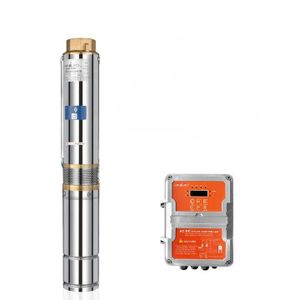
The Hybrid Submersible Pump 4SDS5 is an advanced version of the standard DC solar pump, specifically designed with AC/DC dual-input capability. This allows you to run the pump directly from solar panels (DC) during the day and seamlessly switch to grid power or a generator (AC) at night or during cloudy weather.
The “4SDS5” name stands for a 4-inch diameter pump with a rated flow of 5 (5,000 liters per hour).
1. Key Hybrid Advantage: Uninterrupted Supply
The primary feature of the hybrid model is its automatic power switching.
-
Daytime: Uses free solar energy via a built-in or external MPPT controller.
-
Night/Cloudy: Can be connected to a 220V–240V AC source to ensure your tanks stay full regardless of weather conditions.
-
No Inverter Needed: Most hybrid models handle both inputs directly, saving you the cost of a large external solar inverter.
2. Technical Performance Specs
Performance depends on the motor wattage (common models range from 800W to 1500W):
3. Professional Engineering Features
-
Brushless DC (BLDC) Motor: High-efficiency permanent magnet motor that runs cooler and lasts longer than traditional brushed motors.
-
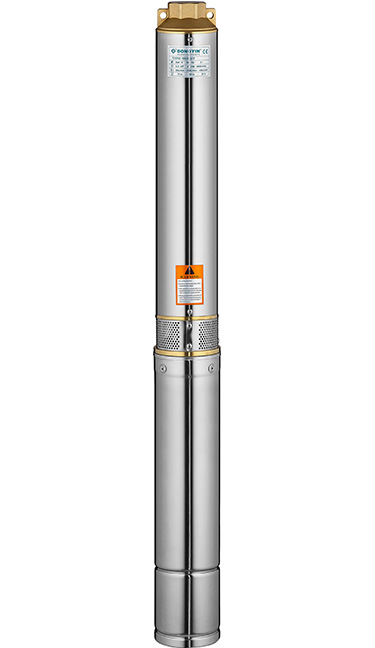
Stainless Steel Construction: The body, shaft, and often the impellers are made of AISI 304 Stainless Steel to resist corrosion in deep boreholes.
-
Built-in Protection:
-
Dry-Run Protection: Sensors stop the motor if the well water level drops too low.
-
Soft Start: Prevents the “water hammer” effect and electrical surges, extending the life of your plumbing and motor.
-
Tank Full Sensor: Automatically stops pumping when your storage tank is full.
-
4. Ideal Applications
-
Hybrid Off-Grid Farms: Use solar for 90% of the work, but keep a generator backup for critical irrigation during long rainy seasons.
-
Remote Communities: Reliable village water kiosks that can switch to grid power if the community grows beyond solar capacity.
-
Domestic Use: Ensuring high-pressure water for large estates or apartments where grid power is unstable.
5. Installation Checklist
-
Cable: Use a high-quality 4-core waterproof cable to handle the dual power signals.
-
Voltage Range: Ensure your solar array output matches the controller’s DC range (typically 60V–380V DC or 90V–440V VOC).
-
Controller: If the controller is external, mount it in a shaded, ventilated area to prevent overheating during high-noon operation.
Reviews
There are no reviews yet.